Autism peer support doesn’t have one fixed shape. It isn’t a checklist or a scripted conversation. At its heart, it’s about connection — one neurodivergent-informed human sitting alongside another and saying, “You’re not alone in this.”
Peer support can look like many different things:
- A relaxed 15-minute coffee to soften an introduction.
- A regular check-in where someone can offload without judgement.
- Helping someone prepare for a meeting or appointment.
- Talking through sensory overwhelm or burnout.
- Sharing strategies that have helped — without insisting they should help.
- Simply holding space when someone feels misunderstood.
Sometimes it’s practical. Sometimes it’s emotional. Sometimes it’s just quiet presence.
What I’ve learned is that autism peer support is invaluable because it offers something that traditional services don’t always provide — lived understanding. There’s a difference between professional knowledge and lived insight. When someone feels truly understood without needing to over-explain themselves, walls come down, shame reduces and confidence grows.
Peer support validates experience.
It says: “your struggles make sense, your strengths matter and your neurotype is valid.
But I’ve also learned that the value doesn’t come from having all the answers, thank God for that! .It comes from listening well, staying curious, recognising that even if we share diagnoses or similarities, each person’s experience is uniquely their own.
Autism peer support can:
- Reduce isolation
- Increase self-advocacy by sharing toolkit
- Build confidence
- Strengthen emotional regulation
- Create safer conversations around identity
- Help people feel seen rather than assessed
That’s incredibly powerful!!
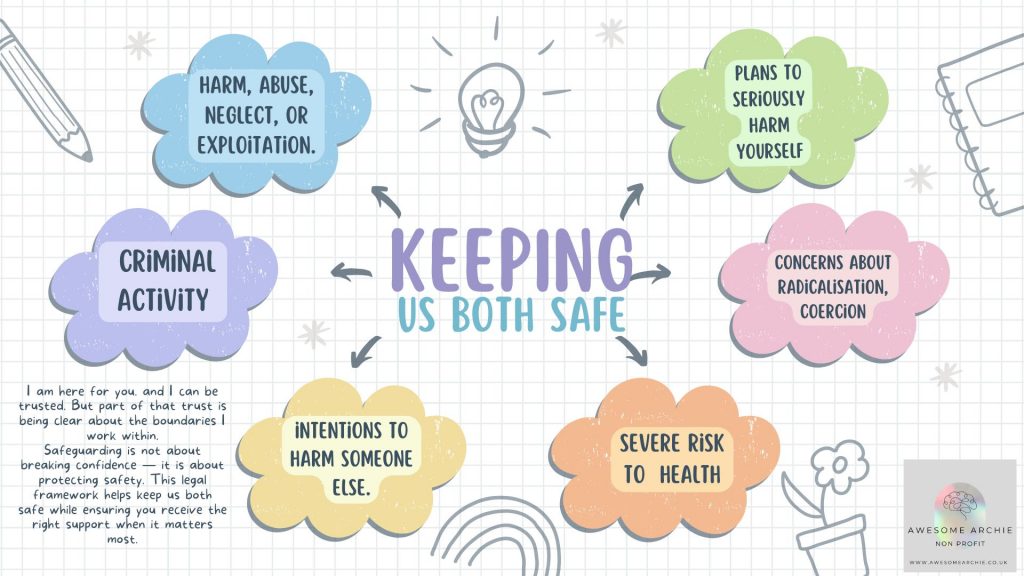
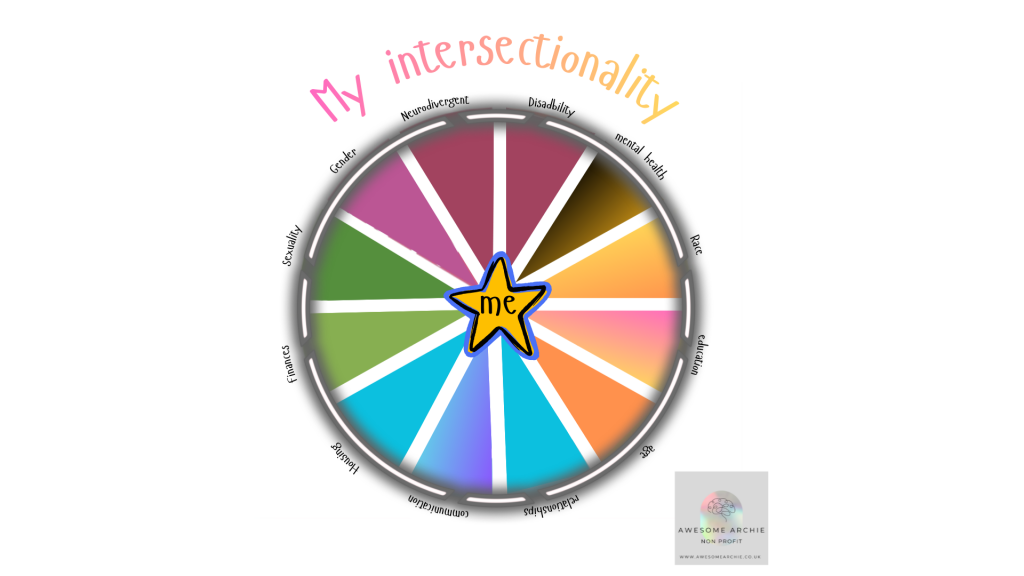
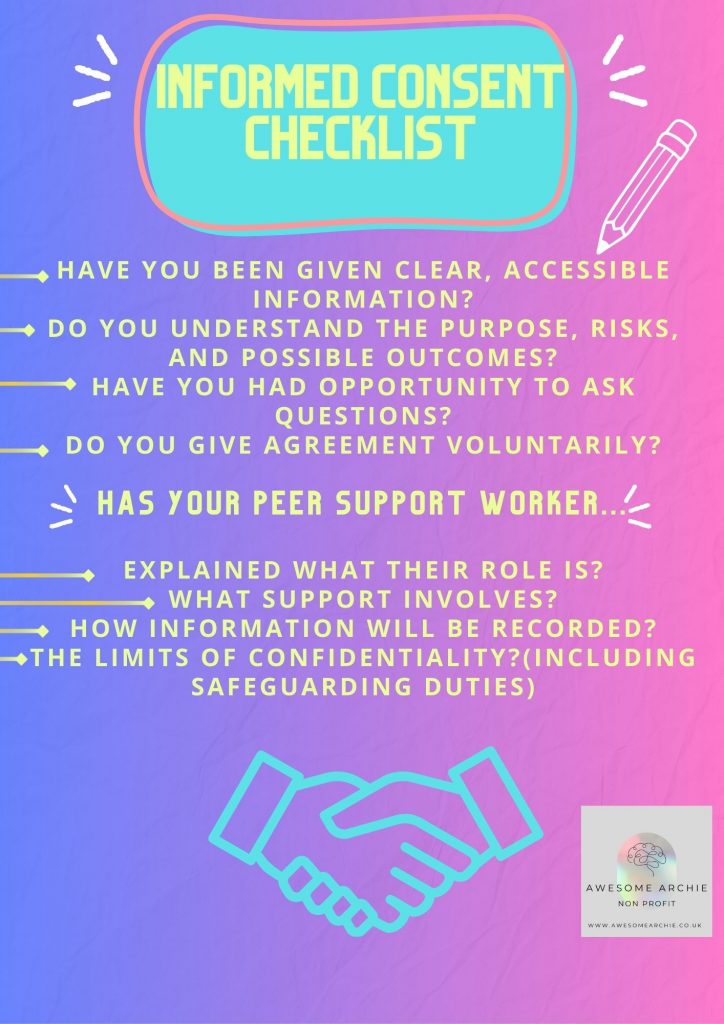
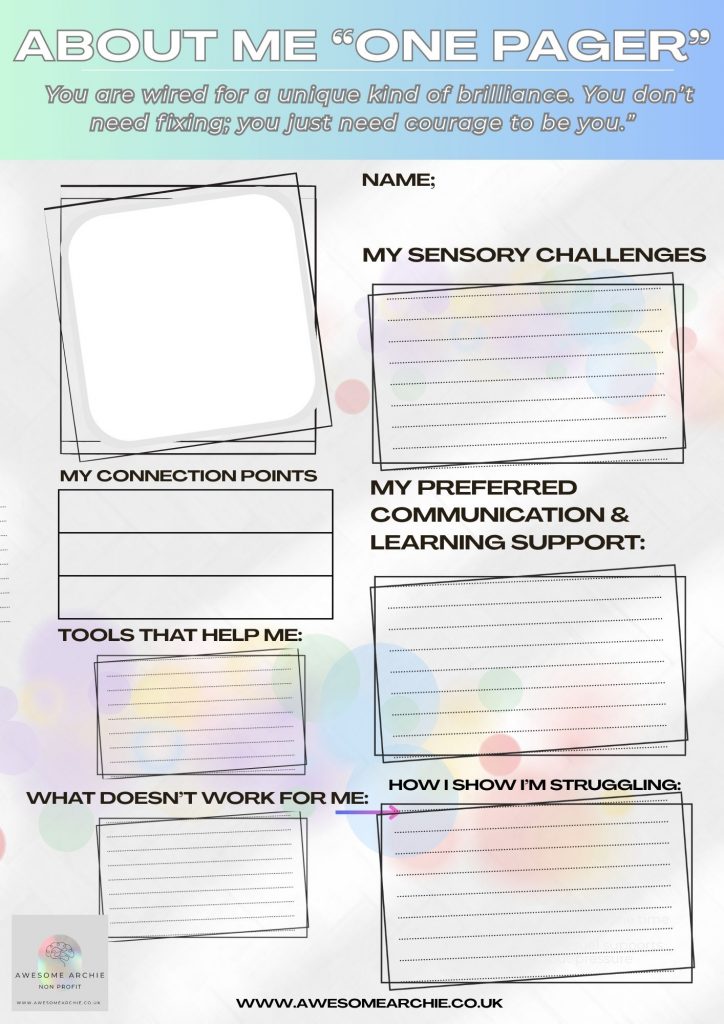
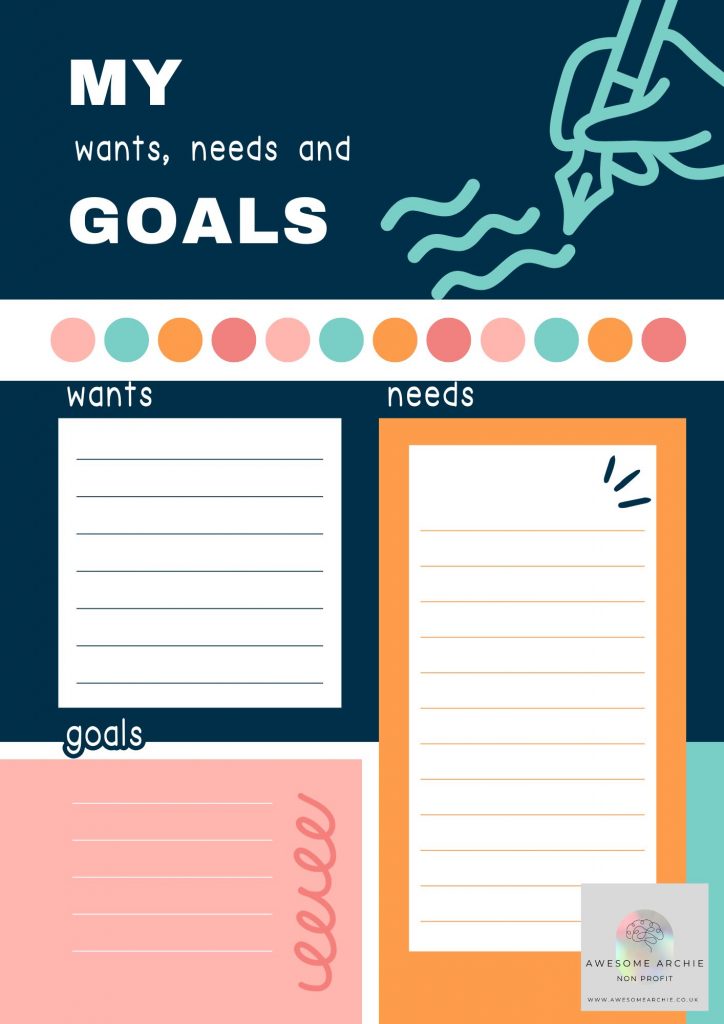
Because of how meaningful this work is, I’ve created some free, screenshot-able/ downloadable resources for those of you working in peer support roles. They’re simple, practical visuals designed to support introductions, clarify boundaries, and help build trust from the start. Sometimes having something visual and easy to share can make conversations feel less intimidating and more structured.
Peer support isn’t about “fixing” people, It’s about empowering them!!
And when done with warmth, professionalism, and respect, it truly can be life-changing — for the peer and the support worker alike.