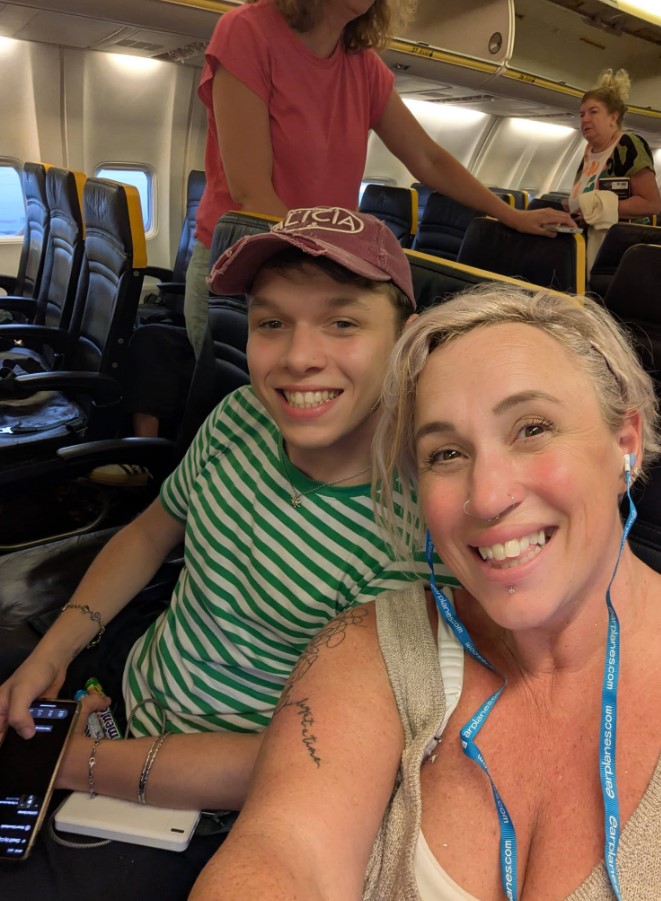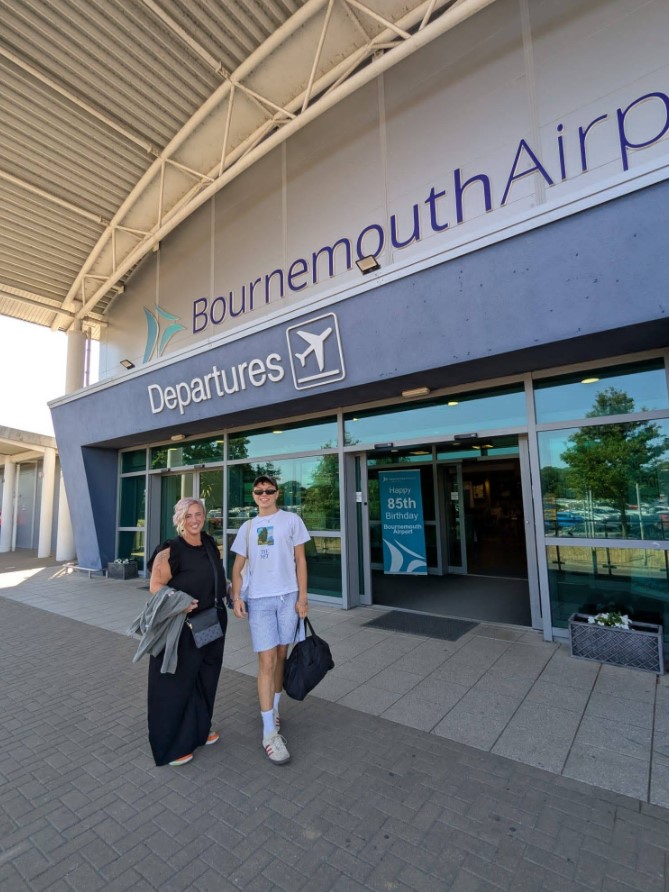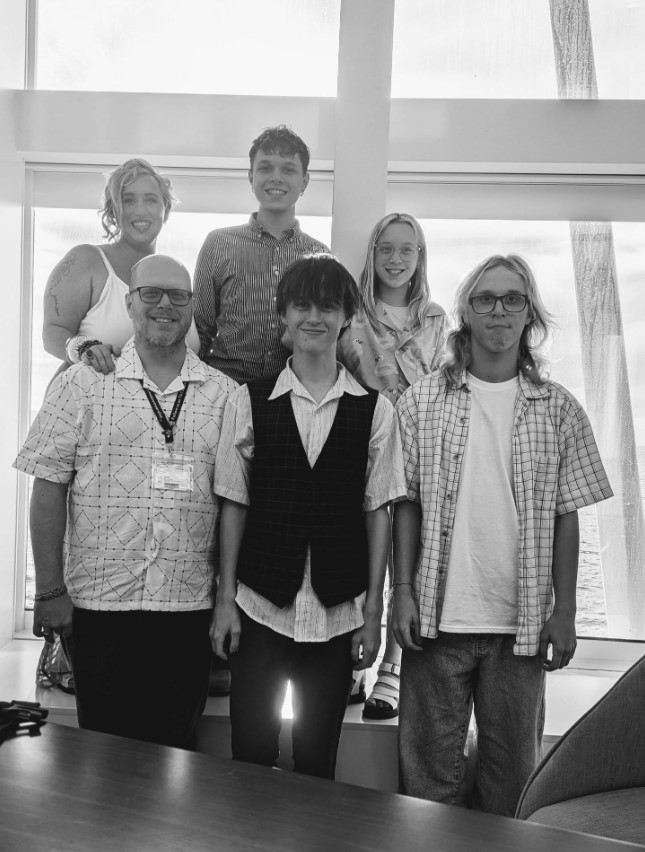
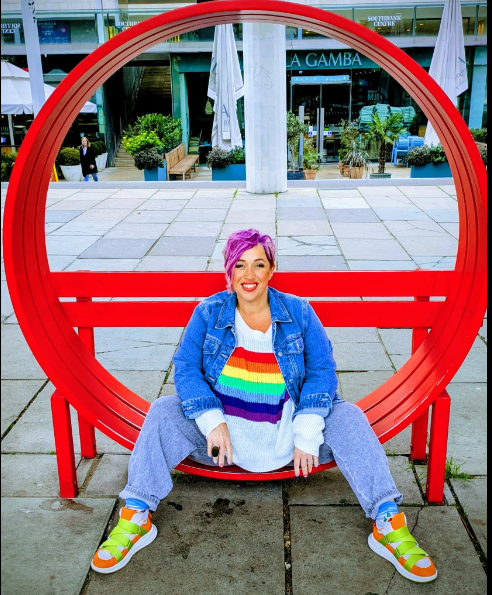
So, I can’t quite believe it! I’m already halfway through my first Cohort as an Autism Peer Support Worker Trainer with IMROC, and honestly, I’m loving every second. I still have moments when I have to stop and think, How on earth did I get so lucky to be doing a job like this? It’s a proper grown-up job, with real responsibility, plenty to learn, and alot of really hard work. But I love every moment of it.
For those who don’t know, one of the things I get to do is educate adults who work for the NHS and beyond, helping them understand what peer support really means and why it matters. Some of the people I train , along side another trainer and Tech support, already have years of professional experience. ( It is a level 3 accredited training program- equivalent to an a level I think?) Others bring something I believe to be more valuable, their own lived experience. They are people who genuinely want to support autistic people, who want to make a difference, and who understand that sometimes the most powerful thing you can offer another person is the feeling that they are not alone.
And that is where the magic happens.
We talk about working as part of a multidisciplinary team, about sharing knowledge and learning from one another, and about making sure that being part of a big organisation never means losing sight of the individual sitting in front of you. We explore what it means to remain person-centred, to actively listen, to respect autonomy, and to remember that the autistic person is the expert in their own life.
Because supporting someone isn’t about taking over, making decisions for them, or assuming we know best. It’s about walking alongside them, helping them access the support they need, and making sure their voice is heard. It’s about empowering peers to understand their rights, including their legal rights, and supporting them to challenge decisions when those rights are not being respected. Something I have had to do all of our boys lives…and I I haven’t lost yet 😉
Often that means fighting for what’s right!
Not fighting for the sake of it, but fighting for dignity, fairness, understanding, and the right to be treated as a whole human being. Fighting against assumptions, against systems that can make people feel small, and against the idea that someone else should get to decide what a good life looks like for an autistic person.
I know how exhausting that fight can be. I know what it feels like to have a huge amount of anger sitting just beneath the surface because you can see what needs to change, but change doesn’t always come quickly. I know the frustration of wanting people to understand something that feels so obvious when you have lived it, yet somehow remains invisible to others.
But ,something has shifted for me.
IMROC hasn’t made me stop caring about the things that make me angry. It hasn’t taken away my determination, and it certainly hasn’t made me think that everything is suddenly fine. What it has given me is a different way to channel that anger. It has given me an opportunity to turn some of that frustration into education, to turn lived experience into something that can help others, and to take the things I care so deeply about into rooms where conversations can lead to real change.
Instead of just being angry about what people don’t understand, I get to help them to a greater and more empathetic understanding.Instead of always feeling frustrated by systems that don’t always work for autistic people, I get to help educate the people working within those systems. And instead of feeling as though I am constantly fighting on my own, I get to help train people who want to stand alongside autistic people and support them to fight their own battles, in their own way, with their own voices.
That doesn’t mean the fight is over for me, far from it. But It means for the first time in 18 years, I feel like I’m finally getting somewhere!
I will never stop advocating for autistic people. I will never stop challenging things that aren’t right. I will never stop believing that people deserve better when they are being let down by services that are supposed to support them. I will never stop wanting a world where autistic people are listened to, believed, respected, and supported without having to fight quite so hard for the things other people might take for granted. But ,I am learning that I don’t have to carry all of that anger on my own shoulders all the time. Sometimes, making a difference means standing up and challenging something. Sometimes, it means sitting quietly and listening. Sometimes, it means helping someone else find the confidence to speak up for themselves. And sometimes, it means educating a room full of professionals and hoping that something you say stays with them long after the training has finished.
That is what makes this job feel so important to me.
It is challenging me, stretching me, and reminding me that I still have so much to learn. It is also showing me just how much lived experience has to offer when it is welcomed, respected, and given the space it deserves. I get to bring parts of myself into my work that I once might have thought were simply part of a difficult journey. Now, those experiences can help shape conversations, influence understanding, and hopefully make things a little easier for someone else.
And I am only halfway through my first Cohort!
I also need to say a huge thank you to The IMROC Team. Both from the Neuro team and the wider community. Your support means more to me than I can properly put into words. Thank you for giving me a shot, supporting me, and being part of the journey that has brought me here. Having people around you who understand, who encourage you, and who recognise what you have to offer makes such a difference. I hope you know how much I appreciate you.
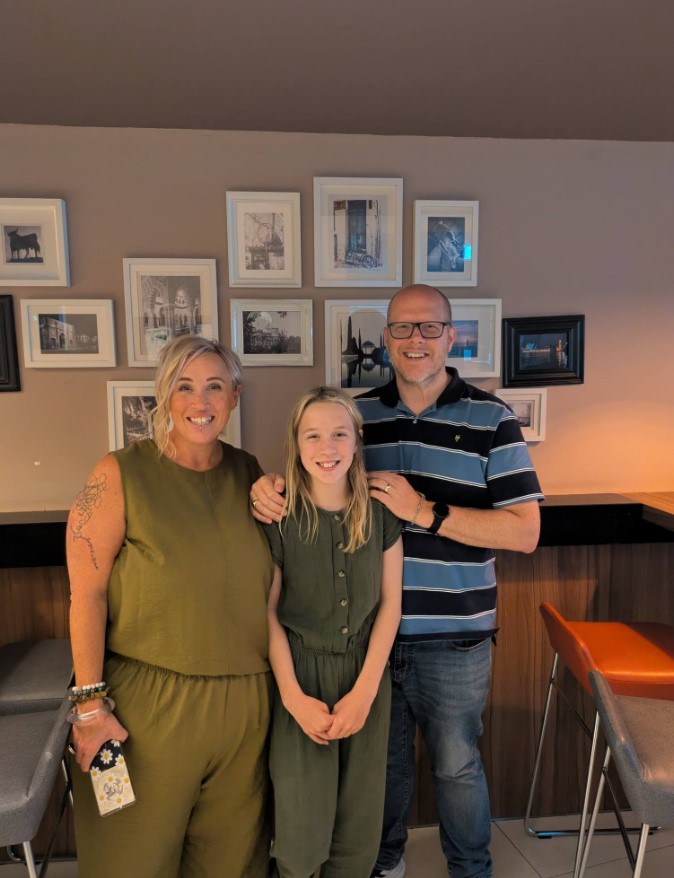
I sometimes have to pinch myself when I think about the work I get to do. I get to help educate people who make a REAL difference in the lives of autistic people. I get to share knowledge, learn from others, and be part of conversations that matter. I get to be part of something that is way bigger than me, while still bringing mine and my children’s experiences, values, and determination to the table.
What a privilege that is.
The anger might have found a new purpose, but the fight? The fight for the rights of people like my awesome Children is most definitely still on. ❤️