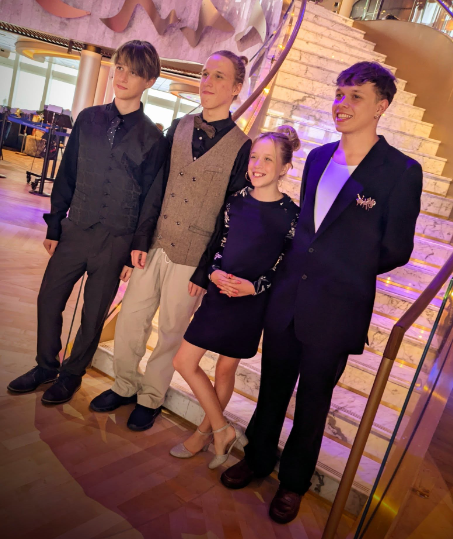
Lately, life has felt super full but in the best possible way. Ridiculously busy, but truly awesome. As I look around at what I’m doing right now, who I’m supporting, who’s supporting me and what we rare all learning, I feel incredibly grateful for this season of my life 🙂
A Dream in Progress: My New Role at IMROC
I recently started a new role as Tech Support and Trainee Trainer at IMROC, and honestly, it feels like a dream has come true. There is no question that the work is hard for me, I have to focus for very long periods of time which is a natural struggle of mine! But, I’m learning as I go, mistakes and all, gaining confidence with each challenge and growing into the role day by day. There’s something really special about being trusted to support others while also being supported myself as I learn. No two days are the same, and that’s exactly what I love about it.
This amazing role combines empathy,patience, and people skills — and I feel lucky to be developing all three in an environment that genuinely values individual growth. It’s not about knowing everything already ( thank goodness) it’s about showing up, learning, and doing your best…. whatever that may look like! I am so thankful to Kellie and Max ( my Trainers) for their unbelievable kindness and understanding and I can’t wait to see how we work together moving forward.
Awesome Archies Connection Club
Alongside “work-work”, my volunteer role with Awesome Archies Connection Club is still going strong — and my heart couldn’t be fuller.
Watching the little club grow and become such a positive and empowering space has been incredibly rewarding. The connections being made, the confidence building, and the joy in the room remind me exactly why this work matters so much. These kids need connection, need empathy and deserve no judgement and that’s what they get from our little club.
I feel incredibly lucky to support such amazing children. Each one brings something unique and it’s a privilege to be part of their learning journey. Volunteering in this way doesn’t feel like “just” volunteering — it feels like purpose, community, and connection all rolled into one. Archie and I LOVE planning our weekly activities and then seeing how the kids enjoy them 🙂
Massive thanks to the Priory school for giving us this opportunity.
This month also brought another moment of pride — being published once again in SEN Magazine.
No matter how many times it happens, it still feels amazing. Each publication brings a mix of excitement, gratitude, and a quiet sense of “wow, we really did that.” Archie and I feel incredibly thankful and privileged to have a platform to share our voice, experiences, and passion within the SEN community.
Being published isn’t something I ever take lightly. It’s a reminder that stories matter, lived experience counts, and that sharing them can make an awesome difference.
When I pause and reflect on all of this — new role, volunteering, and writing — I feel proud, grateful, and hopeful. I’m learning, growing, supporting others, and doing work that truly matters . I still cant quite believe it!
So here’s to continuing to learn as we go, staying thankful, and embracing every opportunity that comes our way …even though its scary sometimes!
People say it like it’s comforting. “We all have the same 24 hours in a day.” But if you have ADHD, that statement can often feel less like reassurance and more like an accusation or suggestion of failer.
I am a proud AuDHDer meaning that my Autistic brain loves order, routine and predictability but my ADHD ( I am predominantly the hyperactive type although I have a spiky profile) means that I crave the dopamine rush of impulsivity and when I decide to “decorate the lounge” I need to do it.. now! It drives my husband to distraction however, generally this combo means that I am quite productive most of the time, often to the point of near burn out…not ideal! However, on some occasions and for many ADHDers, particually if they lean more to the “innattentive” side ( hate that term btw) there are real challenges to get what others may perceive as a small task, even started.
With this neurotype somehow your day disappears. Time slips through your fingers. You sit down to do one small thing and suddenly it’s dark outside, your brain feels fried, and you’re left wondering how you managed to be busy all day and still get pretty much nothing done.
So… why does it feel like that 24 hours move at double speed?
ADHD time isn’t the same as everyone else’s
One of the biggest misunderstandings about ADHD is that it’s ALL about attention. In reality, it’s often about executive function — things like prioritising, starting tasks, switching between them, and sensing time. Neurodivergent related perfectionism is also a brilliant task stopper because if you can’t get the job done to your ideal, you cant start it! SO FRUSTRATING!
ADHD paralysis is also a perfect example of this.
You want to do the thing, you know you need to do the thing, you may even be thinking about the thing constantly because its making you unhappy ( housework or responding to emails are fab examples of this)
And yet… your body won’t move OR it moves regularly by constantly filling that time with literally ANYTHING other than the thing that needs to be done!
That’s not laziness. That’s not a lack of motivation. That’s your nervous system being overwhelmed by too many tasks, too much pressure, or fear of doing it “wrong”. Again, for a perfectionist , not being able to complete a task makes it feel “wrong!”
Alex Partridge talks about this brilliantly in his book Now It All Makes Sense — how ADHD brains can short-circuit when a task feels emotionally or cognitively heavy, even if it looks simple from the outside. So time passes, the clock keeps ticking and you’re stuck in freeze mode, watching the hours disappear.
Please do check out Alex’s books and listen to his podcast ADHD chatter, it’s helped me so much!
Saying “yes” to everyone costs you time you don’t have, so why cant you say no?
The podcast “ADHD chatter” has really helped me to understand this a whole lot better. Rejection Sensitive Dysphoria (RSD) is the intense emotional response to perceived rejection that so many people with ADHD experience. RSD doesn’t just hurt your feelings. It hijacks your decisions. You say yes to things you don’t want to do. You over-explain. You agree to help, attend, fix, support — even when you’re already exhausted and really want to say NO!
You say yes again and again, not because you want to but because no feels dangerous. You are terrified of conflict and truly believe that saying no to that night out with the girls will mean that your friends will hate you.
For someone with RSD, saying no can feel like you’re letting everyone down, you’re being difficult or you’ll be disliked or abandoned.
So you keep being a yes person while forgetting that the only person you are letting down is yourself, because YOU matter and giving everything to everyone else (through fear of rejection) means you are neglecting yourself!!!
Suddenly your already-limited energy and time are being spent on everyone else, while the things you actually need — rest, creativity, basic life admin — get pushed to the bottom of the list. Is it any wonder your day feels shorter than everyone else’s?!
A lot of ADHD time loss doesn’t come from doing nothing — it comes from mentally recovering.
Recovering from masking, from overwhelm, from shame. Recovering from repeatedly beating yourself up for not being able to do things like those around you can.
The ADHD Chatter podcast does a brilliant job of naming this — how much unseen effort goes into just existing with ADHD. When you remember our emotional processing, sensory overload, and constant self-doubting, it’s obvious that your day is packed in ways others never see. You’re not behind, you’re just carrying more than maybe you even realised.
So, what are some gentle ways to support yourself (without fixing yourself, because you are not broken!)
You don’t need to become more disciplined., if anything you need more self compassion and to think about better systems to support yourself. I am an avid list maker…it keeps me on task and I love seeing the small achievements ticked off that then turn into a big job completed.
Maybe you could
1. Shrink the task until it feels almost silly, Alex talks about crushing the big block of ice into little chips for example…
Instead of “write the email”, try: Open laptop, find email, write one sentence and strangely, momentum often follows action — but that action has to feel safe and doable first.
2. Give yourself permission to say no badly You don’t owe perfect explanations. “No, I can’t this time” is enough. Discomfort doesn’t mean danger — even when RSD tells you it does.
3. Externalise time Timers, alarms, visual clocks, body doubling — ADHD brains struggle to feel time. Make it visible and shared where possible.
4. Build in recovery time like it’s essential (because it is) Rest isn’t a reward for productivity. It’s a requirement for functioning.
5. Learn from ADHD voices, not productivity gurus Resources like ADHD Chatter and Alex Partridge’s books don’t try to turn you into someone else — they help you understand yourself. And understanding reduces shame, which frees up more energy than any planner ever could. The SENDcast is fab for this too!
And remember, your 24 hours aren’t broken…they are uniquely yours.
If your days feel shorter, it’s not because you’re failing at time, it’s because your brain experiences the world differently. You’re navigating paralysis, emotional intensity, people-pleasing, and an invisible workload most people never have to think about. So the next time someone says, “We all have the same 24 hours,” remember:
You’re doing more than they can see, You’re not lazy — you’re overloaded. And you’re allowed to build a life that actually fits the way your brain works.
BUT… Accepting your brain type — diagnosis or not — is the first and most important step. Not fixing it, not fighting it, not trying to force yourself into systems that were never designed for you. Acceptance doesn’t mean giving up; it means finally stopping the war with yourself. When you understand that your brain simply works differently, you can start to let go of the shame, the constant self-criticism, and the exhausting cycle of trying to be like others. From that place, self-love becomes possible, and self-support starts to make sense. You stop asking, “What’s wrong with me?” and start asking, “What do I need?” And that shift — from resistance to acceptance — is where real movement, compassion, and healing begin.
Every year when December creeps in, so does all the pressure. The lights go up, the invites roll in, and suddenly there’s this unspoken expectation that Christmas should be magical, loud,family filled, social, and busy. But when you’re a parent carer, Christmas doesn’t always look or feel like that. Sometimes, “escaping Christmas” isn’t selfish or dramatic—it’s survival. It’s love. It’s choosing calm over chaos for the sake of what your child needs.
For me, prioritising Archie has always meant stepping away from the big family gatherings, the noise, the unpredictability, and the overwhelm. It means saying no when everyone else around me is able to say yes. It means leaving events early, or not even going at all. And deep down, I know it’s the right thing for Archie. I know his comfort, safety, and emotional wellbeing matter far more than any tradition ever could.
But that doesn’t mean it’s easy and I often feel like I am missing out. When people moan and say things like, “oh I haven’t had time, I’ve been out so much with friends” I want to shout in their faces and make them see how fortunate they are! (I don’t…to be clear 😉
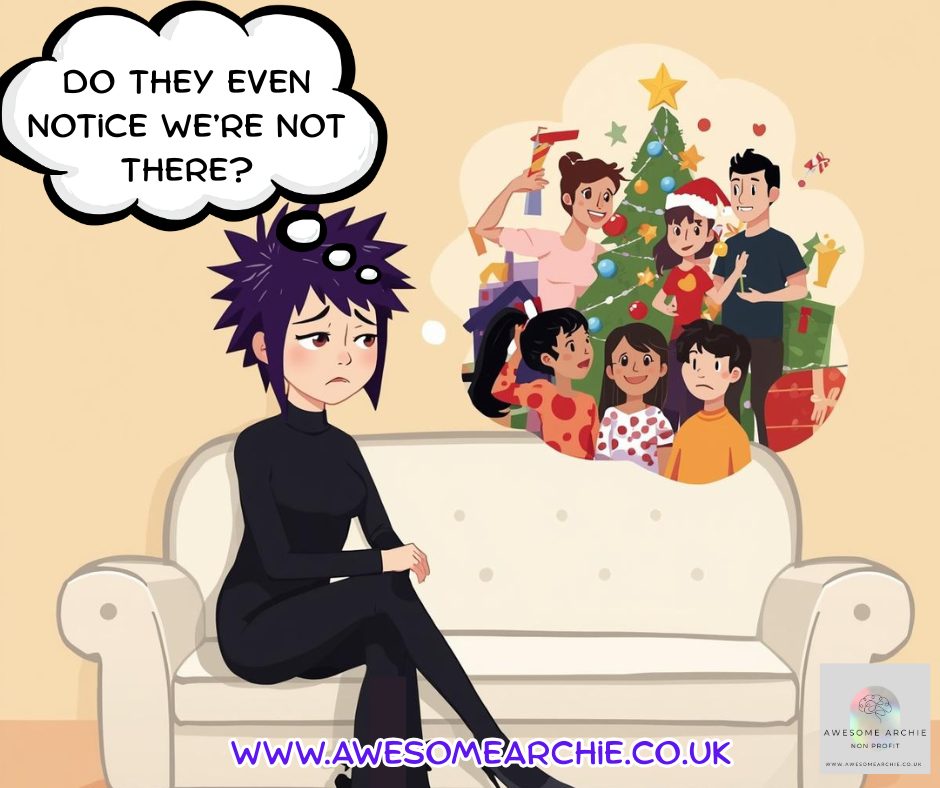
Because all the while that am proudly protecting and supporting my Awesome Archie, I’m also silently grieving the version of Christmas that I used to enjoy of I thought I’d have as a big family. The laughter around the table with ALL the family. The last-minute plans and the buzz and excitement that it can bring. The feeling of belonging in big family moments. Instead, there are so many times where I feel like I’m watching life happen from the sidelines—present for my child, but absent from the world. And that can feel incredibly isolating .Last night my husband and other kids stayed out till almost midnight having fun a frivolity at a christmas family gathering and I was at home on the sofa from 4 pm because Archie needed to be home. No matter how neuroaffirming and proud you are …THAT SUCKS!!!
There’s a huge part of me that celebrates that I am “Mum the carer”, strong and resilient and endlessly giving, especially when I know that NOONE else could do this for him as well as I do. But there’s also still me, Beckie—the individual who often wants to feel included, wanted, carefree, and part of something bigger than responsibilities. Missing out doesn’t always look dramatic; sometimes it’s just a quiet ache, a reminder that my life is different and will always be different, that I am not who I once imagined I would be.
And here’s something that all too often goes unsaid: parent carers make underappreciated and unnoticed sacrifices every single day, not just at Christmas. Sacrifices that aren’t wrapped in tinsel or celebrated in cards. The kind that happen quietly—cancelled plans, emotional labour, exhaustion, guilt, worry, endless advocating, and constantly putting someone else’s needs above your own. It can be extremely lonely and can cause real lasting damage in relationships.
It is so important to acknowledge that. To say it out loud. To recognise that mums like me don’t just “get on with it”. We adapt. We bend. We give. We sacrifice and sometimes, we break a little too.
When those sacrifices go unrecognised, when it starts to feel like you’re taken for granted or simply expected to cope, it can put a strain on everything—relationships, mental health, even your sense of identity. Feeling unseen and unimportant hurts. Feeling like what you do is “just what mums do” instead of something totally extraordinary chips away at your inner strength.
So if you’re a parent carer reading this, I NEED you to know this… I SEE YOU!!!
You are allowed to prioritise your child. You are allowed to feel isolated. You are allowed to grieve the things you miss out on. You are allowed to want recognition, appreciation, and understanding. None of that makes you selfish. It makes you human.
Escaping Christmas doesn’t make us weak parents. If anything, it proves how fiercely we love our children and how we truly put their needs before our own. But we too deserve support, compassion, and the space to say “this is hard” without guilt.
This year, I’m choosing what’s right for Archie. And I’m also choosing to be honest about how that feels—for both of us.
Because acknowledging the sacrifice doesn’t take away from the pride, affirmation and love. It simply reminds the world that mums like me are still here, still a person with her own wants and needs and still deserving of appreciation too.
As we wrap up another incredible year here at Awesome Archie, we’re taking a moment to reflect on the milestones, memories, and moments of connection that made this year so special. None of this would be possible without our amazing and super supportive community, and we are so proud to share what we’ve achieved with your help! THANKYOU!
Building connection through the Awesome Archie Connection Club
One of our proudest achievements this year was launching the Awesome Archie Connection Club at a local school. This initiative was created by Archie and run by me to support children who sometimes find playtime tough – whether that’s navigating friendships, managing sensory overload, or simply finding a safe space to be themselves.
Through kindness, understanding, and structured play, our club has become a place where children feel seen, supported, and included. Watching friendships grow and confidence bloom has been one of the most rewarding parts of our year. We will of course be continuing this into 2026 and are immensely grateful for the opportunity!
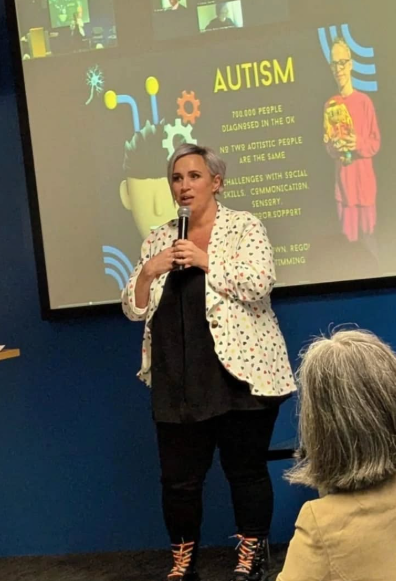
This year also brought an incredible opportunity for us to share our lived experience of autism and neurodiversity with staff at JPMorgan Chase. Being invited into such a major organisation to talk openly about what it means to navigate work, education, and everyday life as an autistic person was both humbling and empowering. This session wasn’t just about awareness, but about building genuine understanding, breaking down stereotypes, and creating more inclusive workplaces where people feel safe to be their authentic selves.
What made the experience so special was the openness and respect shown by the staff. The conversations were honest, thoughtful, and full of curiosity – not just about challenges, but about strengths, talent, and the unique perspectives neurodivergent people bring to teams. Knowing that this session may help shape more compassionate policies and everyday practices was incredibly meaningful, and it reminded me why sharing lived experience is one of the most powerful tools for real and lasting change.
We also spoke to thousands of children via our assemblies 🙂
Supporting children through long hospital stays with The UHD Charity
This year, we were honoured to support the UHD charity, helping to raise awareness and funds for children facing long-term hospital stays. These children and their families show extraordinary strength every day, and we felt privileged to play a small part in helping bring comfort, hope, and smiles during incredibly challenging times.
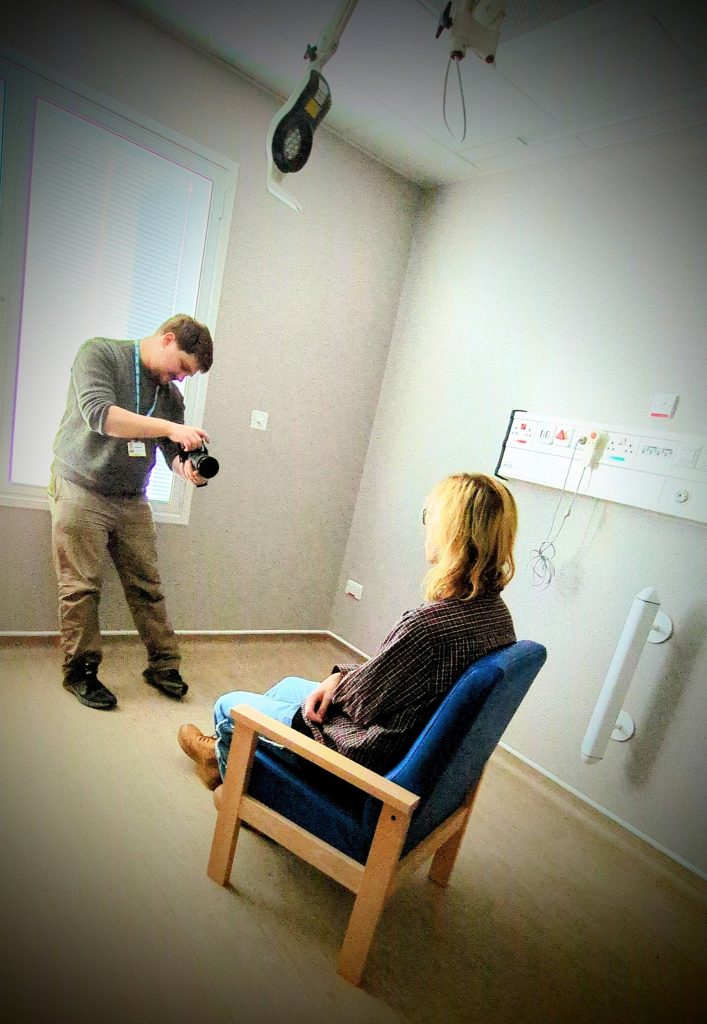
To support, Daisy created and presented an assembly infront to 200 kids, I hosted a week long Art session with a fundraising exhibition and we have been interviewed and photographed to help with the charities promo work.
Through fundraising, advocacy, and community support, we helped shine a light on the reality of long-term hospital stays and the importance of donating time, resources, and care to make those stays a little brighter. Please do check out their website to see what a difference you can make with just a small donation this Christmas.
A highlight of the year was watching our beloved Wonderdog Winnie become a fully fledged assistance dog. Winnie’s journey has been nothing short of inspiring – from intense training to finally achieving her official status. She’s become a symbol of calm, comfort, and the power of support for Archie , Herbie and I, and we couldn’t be prouder of her.
Winnie now goes where Archie goes and recognises the signs of Archie becoming dysregulated and lays on his lap or chest. She sits in his wheelchair with him, lays in his arms as we shop etc, she is AWESOME!! Wonderdog Winnie- WE ADORE YOU!!!
Carols on the driveway – bringing the community together
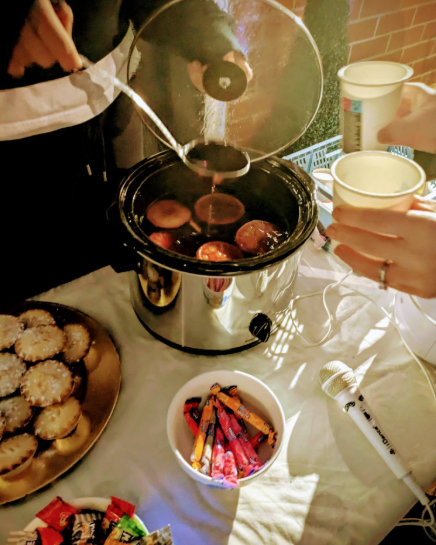
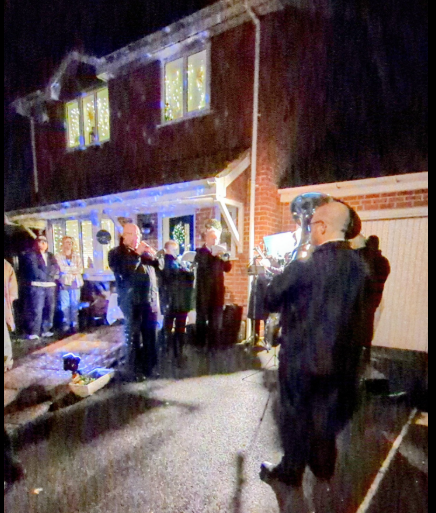
In true Awesome Archie style, we ended the year surrounded by music, lights, and togetherness with our Awesome Archie Carols on the Driveway. Seeing neighbours and families gather to sing, laugh, and celebrate the season was magical.
We were incredibly lucky to be supported by the Boscombe Salvation Army Band, whose music lifted spirits and filled our street with festive joy. Moments like these remind us why community matters so much. Thanks so much to all who came and to the band for giving your time (for free) just to spread the Christmas message and raise community spirits.
And Finally… A personal dream came true
On a personal note, this year brought to life a dream that’s been years in the making. My aim when starting Awesome Archie was to make real, lasting change. To share our life experience to bust myths and smash stereotypes and 5 years on , a phenomenal opportunity arouse… I was honoured to land a dream role as a contractor with IMROC.
IMROC (Implementing Recovery through Organisational Change) is a UK-based charity that helps transform mental health and social care systems globally, focusing on recovery-oriented, person-centred support, especially for those with mental health, autism, or long-term conditions, using co-production, training (like Recovery Colleges), consultancy, research, and peer support to build hope and empower people and communities.
This role is so meaningful to me because it brings together everything I care deeply about: lived experience, community, mental health, and creating real, lasting change. To be able to work alongside people who value lived experience, co-production, and hope is more than a job – it’s a privilege. It feels like the next chapter of my own journey, and I’m so grateful to be able to give back in a way that feels so true to who I am personally.
Thank you from the bottom of our hearts
To every volunteer, supporter, donor, school, family, and child who has been part of our year – thank you. Awesome Archie has always been about kindness, inclusion, and connection, and this year showed us just how powerful those values can be.
So as the year comes to a close, we’d like to thank you for your continued support and wish you all a very happy Christmas and every good wish for the year ahead. Here’s to another year of compassion, community, and creating brighter days together. 😍
This week felt like a real full-circle moment for Archie and me—one of those rare, powerful reminders of how far we’ve come and why we continue doing what we do.
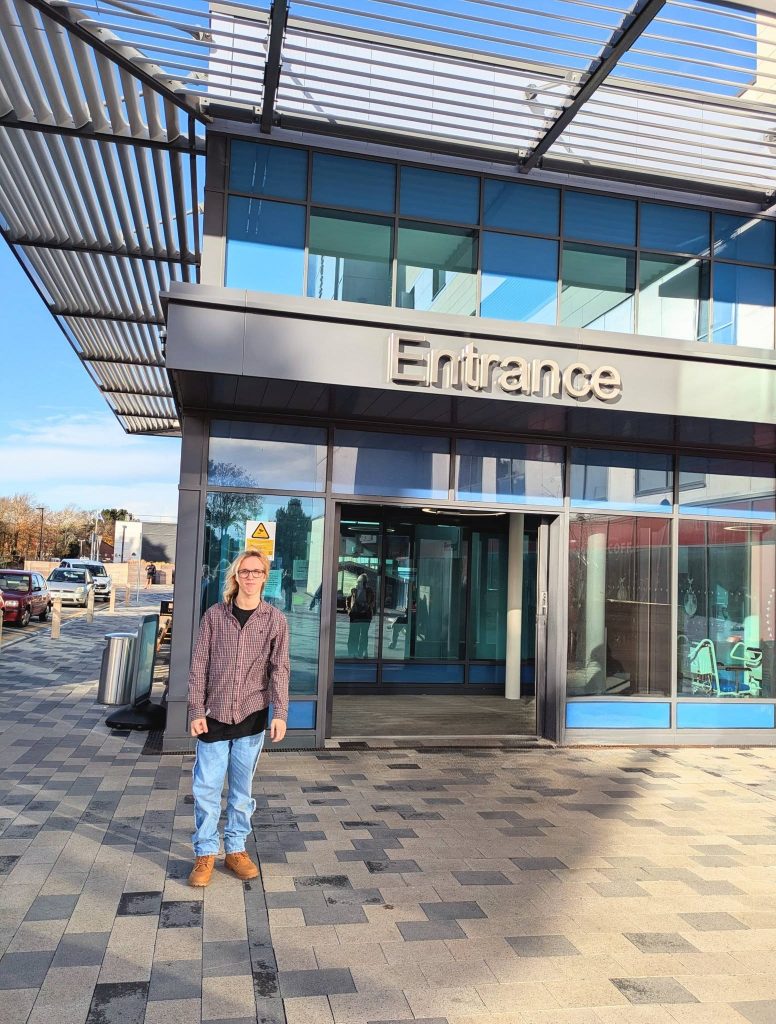
We were invited for an exclusive, behind-the-scenes look at the brand-new children’s wards at the newly built Bournemouth Hospital. The Children’s Hospital isn’t officially opening until June, but we were granted special early access so we could offer our support and see the space that will soon be transforming the lives of so many young patients and their families.
Walking along those enormous brand spangly new corridors ( ready for murals to be painted) with Archie by my side was incredibly emotional. It took me straight back to his own journey—a journey that began with a “minor” surgery but quickly turned into something much bigger. Although the operation itself was straightforward, the medical complications and neurological challenges that go alongside our daily lives, made it a major event for the both of us.
Through all of it, we were met with nothing but empathy, care, and genuine respect from the incredible medical teams who supported us. That experience is exactly why we’ve spent the months since fundraising, raising awareness, and giving back to the UHD Charity in every way we can.
Archie and I are helping the charity with some promo work and the vital work of preading of awareness.
A Thank-You From Us to Them: “Awesome Archie Has Surgery”
As our way of saying thank you—and as a way to help other children facing scary or unfamiliar medical experiences—Archie and I wrote a children’s book titled Awesome Archie Has Surgery which we officially donated it to the hospital for them to use as a resource to support young patients and spread awareness in an accessible, child-friendly way. Seeing the staff’s reactions, and knowing it will help children feel braver and more prepared, was incredibly special.
Massive thanks to the legendary Harry Redknapp for signing one of our books which was raffled off as part of the fundraising mission!
Art, Awareness, and the BEACH Appeal
Back in the summer we hosted an Arts Week exhibition to raise funds specifically for the BEACH Appeal—UHD’s campaign dedicated to developing the new children’s unit. Rooms full of colour, creativity, and community came together for a single purpose: to give future families the kind of support Archie and I were lucky enough to receive.
And as if the week wasn’t meaningful enough already, Archie and I were also interviewed and filmed to support the hospital’s upcoming promotional work. Watching him talk confidently, proudly, and openly about his journey was one of those proud-parent moments I’ll never forget. He doesn’t see himself as awesome—but he really is.
The new children’s hospital will soon open its doors, but a building is only the beginning. Creating a nurturing, comforting, fully resourced environment takes community. It takes people like you. The NHS provide the bulding and the medical equipment but kids like Archie need so much more.
Here’s what your support can do:
Fund play equipment that transforms treatment experiences and supports the mental health of young patients
Create sensory-friendly spaces for children with additional needs like Archie
Support families during the hardest days of their lives by providing a comfy and homely parent/carer lounge with soft sofas and home comforts.
Help the hospital To share resources like our book, reaching children who need reassurance.
Every donation, every share, every bit of awareness you spread helps shape the future of pediatric care here in Bournemouth. You can genuinely support the most vulnerable children in their hardest moments, what a gift!
We’ve seen firsthand what this hospital can do. We’ve lived it. And now, we’re honoured to play even a tiny part in supporting its future.
Thank you for being here, for rooting for Archie, and for helping us make sure other families receive the same care, kindness, and hope we did.
Please go to the BEACH appeal UHD website here below to offer your help….you can really change a families life this Christmas!
When I was studying history in senior school 3 million years ago, I remember my favourite teacher (Miss Halford ) talk about how when we write we need to give pro’s and cons for everything. How even though we may have a clear answer in our head we must always share opinion from both sides of an argument to get a more rounded decision from the reader. So this post is just that, Archie and I DO have a clear favourite, but that’s just our view through our own personal experience. Each child and situation is unique so we are totally ok with you disagreeing with us, we just want to share what we have learned to help school staff moving forward and who knows…you may feel the same?
As all SENCO’s will testify, supporting children’s sensory needs is one of the most powerful ways to help them succeed in school—academically, socially, and emotionally. On a regulated child can learn! Two supporting approaches often chatted about are sensory circuits and sensory movement breaks. Both can be brilliant tools, but they work in very different ways and in my years of school support I’ve learned that for me, one has offered more flexibility, practicality, and real-world impact.
But in the words of Miss Halford “Let’s take a look at each before we give away our conclusion”
So,What Actually Are Sensory Circuits?
Sensory circuits are structured, three-part activity routines often embedded into a timetable. They should include:
Alerting activities
Organising activities
Calming activities
A well-designed and well supported sensory circuit can help regulate a child’s sensory system and prepare them for learning. When they’re done right, they can make a real difference. There are so many positives to sensory circuits ( when they are done in the right frame of time and with a well trained deliverer.)
They can be…
Predictable and consistent: Children who thrive on structure often respond well to the routine.
Holistic regulation: Covering alerting, organising, and calming activities ensures a full sensory “reset.”
Research-informed: Many circuits are built on strong occupational therapy principles.
But Here’s the Harsh But True Reality I See In Multiple Schools…
( not their fault BTW!)
In theory, sensory circuits are brilliant but… In practice, unless a school has a permanent, dedicated setup, they can be a massive job to set up and take down every day. TA’s are already extremely thin on the ground and space is often at a premium.
In my many years of delivering in-school support, I’ve seen this becoming a massive barrier. Staff don’t always have the time, the space, or the training to implement sensory circuits consistently and with the accuracy that they need and deserve. And when something isn’t consistent (IMO) it loses effectiveness and can sometimes make things worse. For example, if you run out of time and don’t hit enough “calming end” to really get a child regulated, you could be sending a pupil into a maths lesson more active than they were when they went in. Likewise, if you make a child too calm they may become so relaxed and almost sleepy that getting in gear for a tough lesson could be near impossible. Its way more complex than many people think!
So, What Are Sensory Movement Breaks?
Sensory movement breaks are short, responsive, flexible moments throughout the day that support what a child needs right then and there. They might include:
A quick alerting activity
A grounding or calming strategy
A simple organising task
A brief walk
A regulation tool that helps “reset” the individual child’s sensory system from its starting point.
There is no rigid structure, it is just what works for that child in that moment. That’s why I LOVE IT!
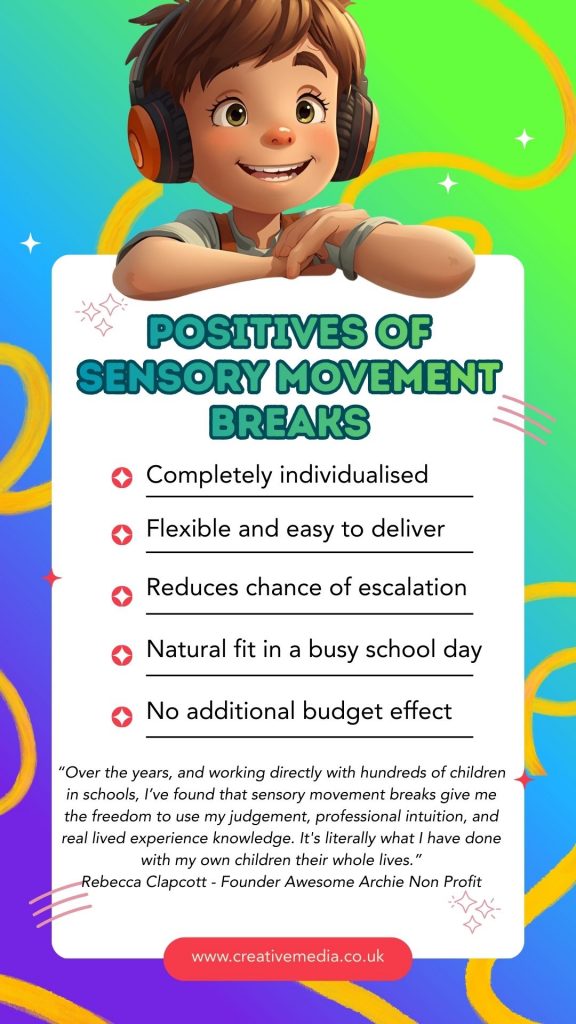
Positives of Sensory Movement Breaks
Completely individualised: You respond to sensory needs as and when they arise.
Flexible and easy to deliver: No equipment or dedicated time or space is needed.
Prevents escalation: Because they’re immediate, they often stop dysregulation before it grows. We always prefer proactivity where possible but it supports reactivity too!
Natural fit in a busy school day: Staff can often integrate them without major disruption to either schedule or budget.
So, which do Archie and I prefer?
Over the years, and working directly with hundreds of children in schools, I’ve found that sensory movement breaks give me the freedom to use my judgement, professional intuition, and real lived experience knowledge. It’s literally what I have done with my own children their whole lives.
Every child presents differently from day to day, lesson to lesson, moment to moment. Every classroom has a different atmosphere that can also change in an instant. Every day brings different challenges, different starting points and different end goals. Even the speed or exertion of the school commute can have a huge impact . There is a real difference in need from a child that has traveled an hour by car compared to the child that has walked for 20 minutes to get in! One will need a calm or soft landing, the other will need a ” wake me up” or an alerting activity to get their brain ready for learning. Some need organising tasks to bring focus while others simply need to calm their body and mind before re-entering learning.
See….its tricky!
In my experience, this level of responsiveness isn’t something you can always get from a pre-planned, fixed sensory circuit. How can it when there are so many variations in need?
And the truth is, many school staff simply haven’t been given the in depth training or lived experience to confidently identify what areas of the sensory circuit need longer than others etc. This isn’t their fault—schools right now are over- stretched, support staff are juggling multiple responsibilities, and sensory expertise isn’t always accessible. Even the ITT packages are very “Surface level “when it comes to SEND training ( IMO) let alone TA the training.
That’s why we champion sensory movement breaks and TA’s with lived experience at Awesome Archie Non Profit. For me they feel a little more practical, sustainable, child-centred and easier for staff to learn and embed with support. They empower adults to support children in the moment, rather than relying on a system that might not be possible to run consistently.
Sensory circuits absolutely have value, Sensory movement breaks do too, but the approach that works best is always the one that can be delivered consistently and effectively, with the child’s unique sensory profile at the heart…again , IN MY OPINION!
At Awesome Archie, our lived experience has shown time and time again that flexible, responsive sensory movement breaks are the most realistic and impactful option for most school environments and thats why you’ll often see me and my student on the floor of a corridor with lego 🙂
If your school would like help implementing sensory strategies, training staff, or understanding children’s sensory profiles, we’d be delighted to support you at Neurocreative Media where we can create a bespoke online presentation for you to share with your staff. www.neurocreativemedia.co.uk.
Stumble onto almost any school website in the UK and you’ll probably spot this old beauty…
“Every teacher is a teacher of SEND.”
It’s a powerful statement that signals inclusion and suggests a whole-school commitment.
But here’s the sad truth:
A slogan without action is just website decoration. Oooooph…. I know!!! A few very well-chosen words on a website mean nothing unless they translate into everyday practice, real change, and lived experience for the children who need it the most and, sadly, we are seeing that all too often, they don’t.
When Inclusion Becomes a Buzzword Instead of a Practice
Schools rarely want to fall short. Many care deeply, but good intentions aren’t the same as meaningful support.
What commonly happens is this:
Staff understand SEND in theory but they haven’t necessarily had practical training. They haven’t FELT the harsh reality of a child in crisis.
Equality is confused with equity (“we treat everyone the same, so it’s fair!”). I HATE THIS!
Systems rely on posters, policies, and taglines instead of consistent classroom strategies and regular up to date, emotionally intelligent training.
Neurodivergent children are supported reactively, not proactively.
A child’s sensory, learning, or communication needs are “known” but not embedded into daily teaching.
So, guess what happens?
Children mask, parents chase, teachers firefight… and the phrase “every teacher is a teacher of SEND” becomes nothing more than marketing language or self protection when the inevitable complaints come in!
However, it doesn’t have to be this way. We really want to change the narrative and make that change a long lasting one!
Equality vs. Equity: Where So Many Schools Still Get Stuck
Equality is giving every child the same thing. Equity is giving every child what they need to access learning.
From a disability perspective:
Equality says: “Everyone gets 30 minutes to complete the worksheet.”
Equity says: “You can have extra thinking time, use a laptop, or a reduced task so you can show your learning in a way that works for you.”
Equality says: “Everyone sits still and listens on the carpet.”
Equity says: “You can use a wobble cushion or work standing up if that supports your regulation.”
Schools often believe they are promoting fairness by treating everyone the same, but fair does not mean identical. Fair means accessible, achievable, and humane.
We have always told our children that “fair isn’t everyone getting the same, it’s everyone getting what THEY need!
Understanding this is the foundation of true inclusion.
SoWhat Does a TruelyNeuroaffirming School Look Like?
A neuroaffirming school doesn’t try to “fix” neurodivergent children or make then fit into the same routines and learning styles. It adapts the environment so the children can thrive, as individuals! In practice this may look like…
Sensory needs being acknowledged and not dismissed
Ear defenders available without needing a permission slip
Access to quiet corners
Flexible seating
Movement breaks used when needed, not just stuck onto a schedule at a teachers convenience.
Visual tools are used across the whole school As Standard
Not just for “SEND children,” but for everyone.
Now/Next boards
Visual timetables
Colour-coded instructions
Task breakdowns
Emotion wheels
Staff FULLY understanding that behaviour is communication
Meltdowns aren’t “naughtiness”. Shutdowns aren’t “defiance”. Fidgeting isn’t “poor attitude”. Instead, staff look for the unmet need underneath.
Language is supportive and affirming, not shaming
No more:
“You just need to try harder.”
“You need to sit still.”
“Everyone else can do it.” (Hard to believe but I have heard all of these!)
Instead:
“What do you need so I can help you get started?”
“Do you want this broken into steps?”
“Would a quiet space or class den help you?”
Adults model emotional regulation
A dysregulated adult cannot regulate a dysregulated child. Training matters — but so does culture. No neurodivergent child thrives under a “shouty” or quick to temper teacher!
Parents are partners, not problems
Meetings should be collaborative, not confrontational. These parents are probably terrified for their children’s future and have been consistently let down by a broken system. Believe me when I tell you… It’s ALOT!
Concerns are listened to, not dismissed. Support plans are co-created, not imposed. Peer support is EVERYTHING!!!!
SoHow Schools Can Turn That Famous Buzz Phrase Into Real Action?
Here are practical ways that schools can ensure that saying “every teacher is a teacher of SEND” is a genuine statement and not just a cool thing to say!
Whole-school CPD that is practical, not theoretical
Teachers need real strategies they can use tomorrow morning — not 50 pages of PowerPoint definitions. Anyone can Google, it’s lived experience where the real learning happens.
Consistent tools in every classroom
Imagine if every classroom used:
Visual timetables
Clear task breakdowns
Sensory-friendly options
Predictable routines
This transforms inclusion.
Student profiles used daily, not gathering dust in a file
Teachers and TA’s should be able to glance at a child’s profile and know exactly how to support them. We have created you an example for this a little further down 🙂
Neuroaffirming policies, not punitive ones
This means rethinking:
Zero-tolerance behaviour systems. It’s not the 80’s! If I hear “we have a one size fits all policy” – I may need wine!!!
Break detentions. That’s their regualtion time. Be more proactive and less reactive!
“No movement during lessons” rules. Movement needs don’t follow a schedule people!!!
Blanket bans on sensory tools. Again… WHY?!
Regular communication and RESPECT between staff, SENCOs, and parents
Support should evolve with the child — not be set once and forgotten. For heavens sake, LOOK AFTER AND LISTEN TO YOUR SENCO’S… THEY ARE EVERYTHING!!!!!!
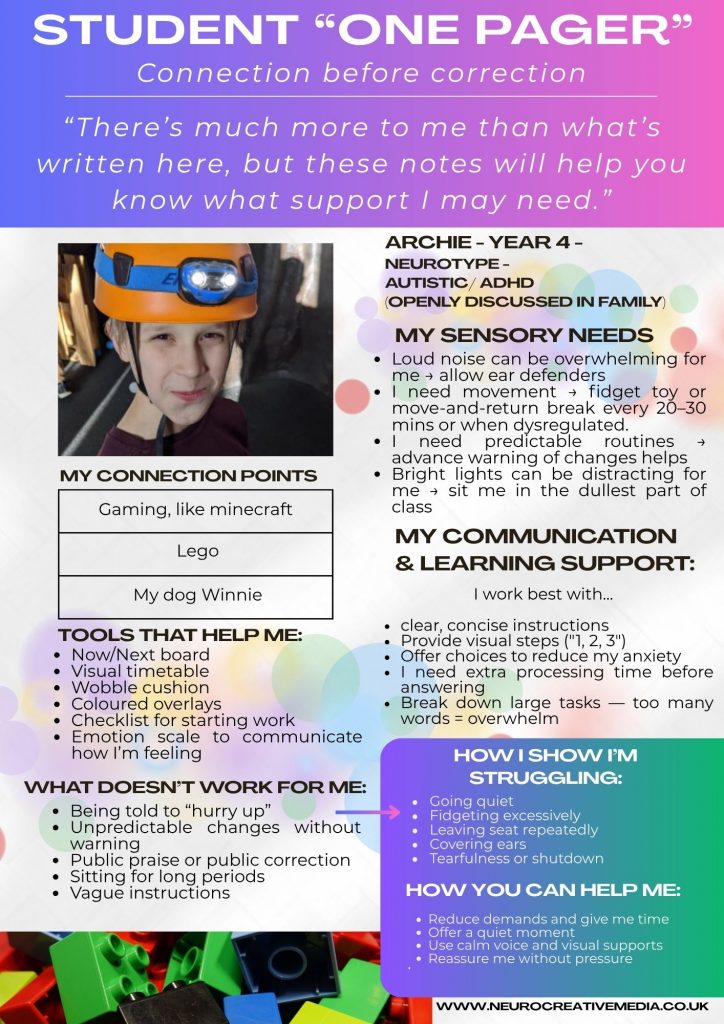
Individual Student Profile, Our Student One Pagers
Below is our example of a student profile that a teacher could keep to hand or have easily accessible for new TA’s or supply teachers. We call it the “one pager” because it hits the key points FAST!
This is the type of tool that turns inclusion from intention into impact.
Because Inclusion Isn’t a Tagline — It’s a Culture
A school cannot call itself inclusive because it says the right words. It becomes inclusive when children feel safe, understood, supported and valued for who they already are.
“Every teacher is a teacher of SEND” should be more than a trending phrase, it should be a promise — backed up by action, training, compassion and a willingness to rethink the old systems.
Neurodivergent children deserve nothing less. School is tough enough, when you are neurodivergent… its a whole other level!
When we support our awesome students and staff properly, the whole school benefits.
This weeks blog has essentially been in the making for almost 20 years….no joke!
For years, I thought I was simply “bad at adulting.” Bad at keeping the house tidy. Bad at remembering appointments. Bad at staying calm when three things happened at once.
I’ve had years of giving one negative self talk after the other. Why can’t I parent like Jen? Why is Maggie’s home always so tidy and mine is a disaster? What’s wrong with me?
I didn’t realise I was a neurodivergent mum trying to navigate life and parenting with unsupported ADHD. I’ve always been told that I’m “loud, crazy, great for a laugh” but people didn’t see the inner turmoil that I had lived with all my life. Feeling different and perceiving that difference as nothing but negative and trying to force myself to be like everyone else.
Thankfully , those days are long gone, but it has taken work, research and self kindness to get me here.
When You Don’t Know You Have ADHD, Everything Feels Like a Personal Failure
Looking back at my early parenting years, I can now see the impact of my undiagnosed ADHD in every aspect of my early mum years.
A messy home that I could never seem to get on top of, no matter how hard I tried.
Regular overwhelm from the constant noise, schedules, responsibilities, and expectations.
Missed appointments, forgotten forms, lost school letters, which left me feeling like I was always ten steps behind everyone else.
At the time, I thought these struggles meant I wasn’t trying hard enough. But the truth was so much simpler: I didn’t yet understand my brain awesome neurodivergent brain.
Understanding My Brain Was the Turning Point
My late awakening to my neurotype wasn’t a surprise — it was a relief, a game changer. A clarity I didn’t even know I needed. BUT FLIP, I NEEDED IT!
I suddenly had words for experiences I had carried alone for years. I understood why everyday tasks felt so draining, why motivation came in unpredictable and unreliable wafts, and why the simplest chores would feel like climbing a nevr ending mountain.
And knowing this didn’t just help me — it reshaped how I supported my children, rwo of whom who share some of these traits too.
Learning to Support Myself AND My Kids
Over the years, I’ve learned that supporting my children starts with supporting myself. I can’t pour from an empty cup, and I definitely can’t organise a family calendar if my own executive function is running on fumes.
Some of the things that have helped me include:
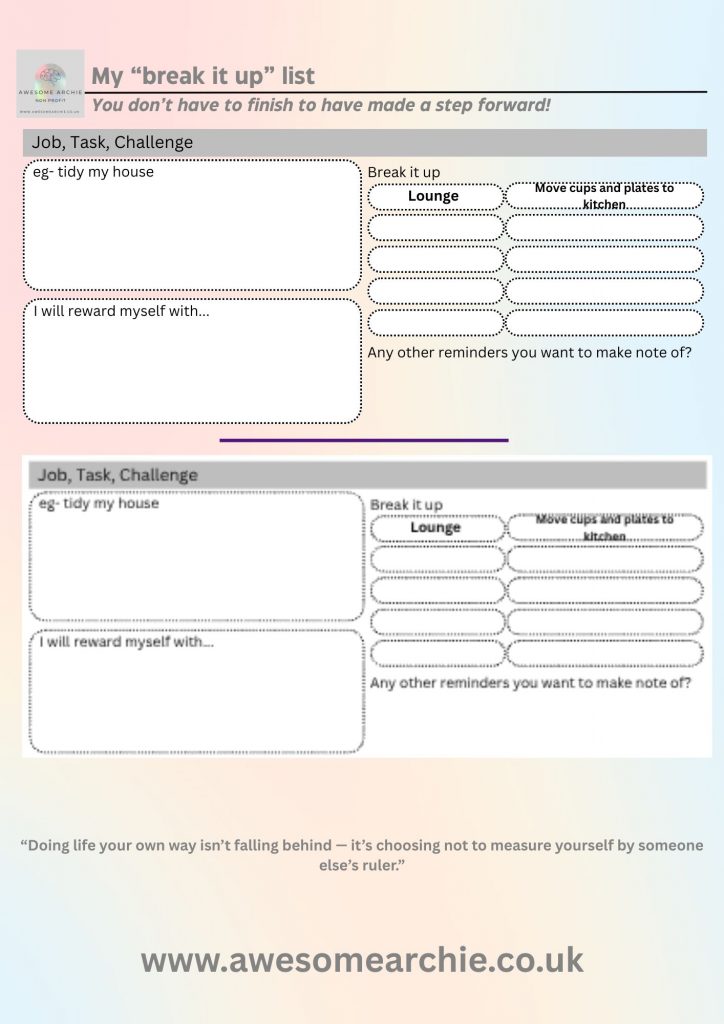
Breaking big tasks into tiny, compassionate steps. Who knew that you are allowed to start tidying the lounge and stop when you have had enough? Not when it was perfect, a job I knew I didn’t have time to finish so I just ignored!)
Using visual cues, charts, and routines that take pressure off my memory…I LOVE making planners and I have them for EVERYTHING! I even make them for family members to help them before they go on holidays 🙂
Creating systems that fit how MY brain naturally works, instead of forcing myself into systems that don’t!
Accepting that consistency doesn’t mean perfection… I still have to work everyday on this one!
Allowing rest without guilt, because burnout helps no one.
These strategies don’t magically stop my many moments of overwhelm, but they do give me the tools I need to handle it a whole lot better. They help me to keep my home running, even on the messier days — and trust me, there are still a good few messy days but its manageable! We always have clean clothes, clean dishes, food in the fridge and I rarely forget appointments nowadays so I feel like I’m winning! So much better for my mental health.
Why “Simple” Chores Aren’t Simple for All of Us
As part of this journey, we’ve created a little graphic to share some of the biggest lessons we’ve learned about ADHD and everyday life.
It explains why tasks that others see as “easy” — things like laundry, dishes, forms, phone calls — can feel almost impossible for ADHD brains to start.
It’s not laziness! It’s not lack of care! It’s our unique brains executive function — the part of the brain responsible for planning, prioritising, organising, and initiating tasks. Mine is needing a bit of something extra, a support buddy, a kick up the bum 😉
And when that part of your brain plays by different rules, your daily life does too.
Moving Forward With Understanding and Compassion
Being a neurodivergent parent is both challenging and truly beautiful. It forces you to learn yourself deeply, to adapt creatively, and to parent with a deep and powerful empathy that only grows from lived experience.
I am not, nor will ever be a “perfect” mum, there is no such thing — but I am an aware one. A learning one. An advocating and neuroaffirming one. A mum who understands her brain and her children’s brains better than ever before.
And that, to me, feels like a totally awesome victory.
In my last blog I stated that I hate the word “normal”. This prompted me to do a bit of research and you may be surprised as to what I discovered!
According to the Oxford English Dictionary, the word “normal” means:
“Conforming to a standard; usual, typical, or expected.”
For most of our lives, we’ve been told that normal looks a certain way — tidy routines, predictable behaviors, quiet mealtimes, and neatly organized days. But in our awesome neurodivergent family, that definition doesn’t fit. And honestly, we’re okay with that.
Because our kind of normal looks very different — and it works beautifully for us.
In our home, what might look unusual to outsiders is simply everyday life for us.
We build our routines around our neurotypes, needs, and energy levels, not around what others think we “should” be doing. Some days we start more slowly, with quiet corners, soft lights, and time to regulate before tackling the day. Other days, our living room becomes a sensory play zone, full of music, movement, and laughter.
Our flexible structure gives us the freedom to meet everyone’s needs — including our PDA (Pathological Demand Avoidance) son’s need for autonomy and choice. We know that choice and flexibility help him to feel safe, and when he feels safe, we all thrive, not just survive
Neuroaffirming, Not ‘Fixing’
We don’t see anyone in our family as needing to be “fixed” or “changed.” We are not broken. Instead, we approach each day with a neuroaffirming mindset — one that recognizes every brain as valid and valuable. Each of us has a part to play and is an integral place in our family.
When someone needs quiet time, we honor it. When emotions run high, we focus on connection before correction. We celebrate stims, special interests, and creative communication.
Ourmain aim isn’t to make our children (or ourselves) fit into a “neurotypical world”, but to create a home where everyone belongs exactly as they are. No masking needed!
So, our home may look abit different from others — we have soft lighting instead of harsh overhead bulbs, cozy sensory corners, weighted blankets, noise-cancelling headphones, and fidget toys all over the place!
This isn’t indulgence; it’s accessibility. A sensory-friendly environment allows us all to regulate and reset — to feel safe, comfortable, and capable.
This is what normal looks like for us.
So We AreRedefining Normal
If “normal” means “usual, typical, or expected,” then our life is normal — for our family.
What’s usual for us might seem unusual to others, but that’s the beauty of neurodiversity: there isn’t one right way to live, parent, learn, or love. Every family has its own rhythm, and ours happens to be built on understanding, acceptance, and flexibility.
So yes, we’re a little different. PROUDLY SO! Our days don’t follow a traditional path and never have. But our home is full of unconditional love joy, creativity, and compassion — and that, to us, is perfectly normal.
Ian and I have been together for almost 25 years and although our marriage hasn’t been plain sailing (no marriage ever is) I know that he knows me so well that often he see’s things in me that I cant!
These last two decades have proven to me — I’m often the last to notice when I’m starting to struggle. It’s not that I’m ignoring it on purpose; it’s just that the signs creep in slowly and quietly. I start moving less, my motivation dips, I stop replying to messages, and yet, somehow, I convince myself everything’s fine.
It’s usually my lovely husband who spots it first. He seems to know before I do when I’m heading into a low patch. He’ll notice the little things — my tone, my energy, the way I retreat into myself — and gently ask, “Are you okay?” Sometimes I brush it off, often I get defensive. But deep down, I know he’s right.
I genuinly really value that about him — the way he can see me even when I can’t see myself. It’s a reminder that sometimes we need the people who love us to hold up a mirror. And while it can be hard to face, that mirror can also be what helps us find our way back.
So, Why It’s So Hard to Notice Our Own Struggles?
Looking back, I think part of the reason it’s so difficult is that our minds are good at adapting, for me masking is a part of my everyday and often I forget who I really am. When things start to get heavy, we tell ourselves it’s just stress, tiredness, or hormones. We normalise feeling off because it happens slowly — one small compromise at a time. Sadly , if you spend months or years feeling like this , it becomes your ” normal”… Sorry, I HATE that word!!!
For many people, especially those who are neurodivergent like me, this can be even trickier. We so expertly learn to “mask” our difficulties — to keep going, to blend in, to cope quietly. After years of doing that, it becomes second nature to push through instead of pause. So when we start slipping, we don’t always recognise it as something more than a bad day.
I’ve also learned how important it is to reach out when we notice someone else struggling — even if we’re not sure. It doesn’t have to be dramatic or intrusive. It can be as simple as sending a message or saying, “You don’t seem quite yourself lately, how are you doing?”
The truth is, sometimes people don’t know how to ask for help, or they don’t even realise they need it. A small gesture can make a huge difference. And honestly, even if you’re wrong and they’re perfectly fine, it doesn’t matter — you’ve still shown that you care. You’ve still done your part.
But… There Is Also The Denial We Don’t Talk About
Denial can be sneaky. I’ve caught myself thinking, “I can handle this,” or, “I’ve been worse before.” It’s easy to minimise your own feelings because admitting you’re struggling feels like weakness, fixing things is too big a task — or because you’re afraid of being “too much.”
But I’ve learned (and am still learning) that acknowledging you’re not okay doesn’t make you weak. It’s actually one of the strongest things you can do. It’s also one of the kindest — because it gives the people who love you a chance to show up for you.
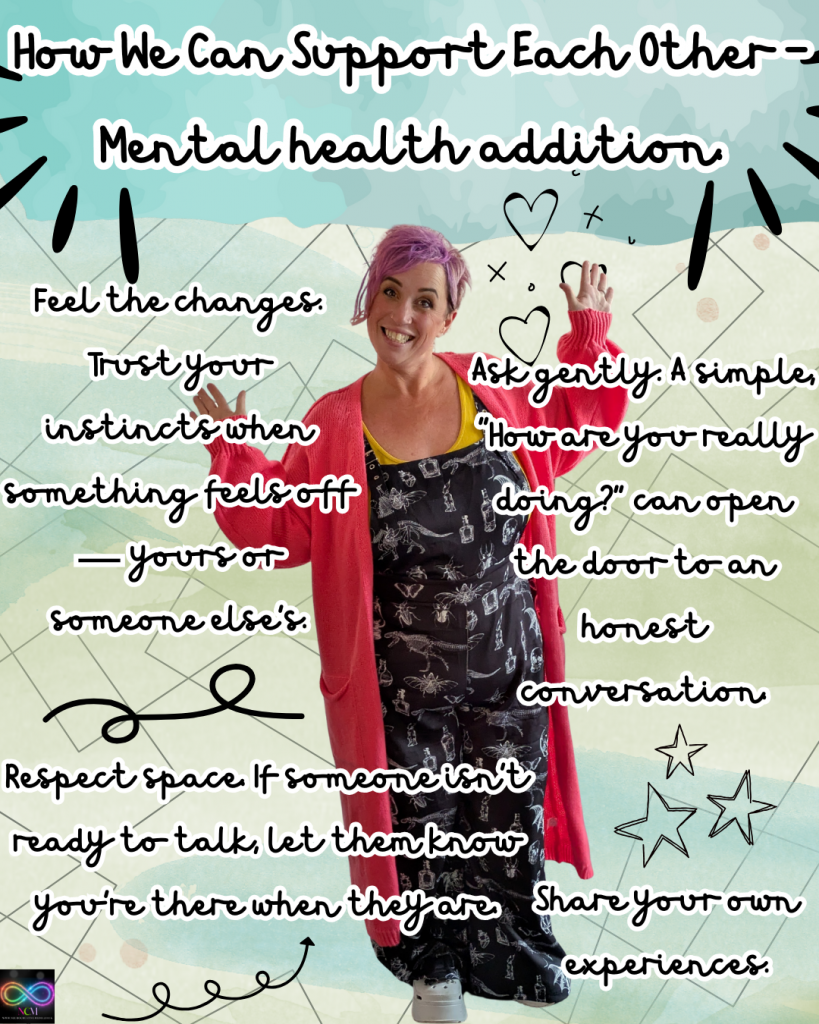
I’m a big believer that we all have a role to play in each other’s wellbeing. Here are a few things I’ve found helpful — both as someone who struggles and someone who tries to support others:
Notice the changes. Trust your instincts when something feels off — yours or someone else’s.
Ask gently. A simple, “How are you really doing?” can open the door to an honest conversation.
Respect space. If someone isn’t ready to talk, let them know you’re there when they are.
Share your own experiences. Vulnerability invites vulnerability — it makes others feel less alone.
Don’t be afraid to care. Even if you misread the situation, kindness never goes to waste.
These days, when Ian tells me he senses I’m dipping, I try not to dismiss it, although my initial reaction is usually defensiveness. I take a breath and check in with myself. Sometimes he’s wrong — but more often than not, he’s right. ( Dont tell him though please 😉 )
And I’ve realised that’s not a sign of weakness. It’s a reminder that we’re not meant to go through life alone. We need those people who can see the clouds gathering before we do — and we need to be that person for others too. Sometimes that feels awkward or like an overstep, but you never know, you could save a life!
Because in the end, even if you reach out and they’re fine, you’ve still reminded them that they matter. And that simple act — seeing someone, really seeing them — might just be what gets them through.